Procuring an engineering subcontractor for an oil & gas or terminal project across Kenya, Somalia, or the wider Horn of Africa comes with a specific set of risks that don’t show up on a standard vendor checklist built for a market with deeper contractor supply and tighter regulatory oversight. Here’s what to actually evaluate before you award a package.
Start with mobilisation capability, not just past projects
The first filter most procurement teams apply is “has this contractor built something like this before” — reasonable, but incomplete. In markets like Puntland, Somaliland, or remote Kenyan coastal sites, the harder question is whether the contractor can actually get crews, equipment, and materials to site and be self-sufficient once there. A contractor with excellent references from projects in a well-supplied hub city can still struggle badly on a site with no local welding supply chain, no crane hire, and limited port access for equipment.
Ask specifically: what equipment does the contractor own versus hire locally per project? Do they have a track record of mobilising to remote or cross-border sites, or has all their experience been in one well-serviced location?
Check for genuine multidisciplinary capability, not multiple subcontractors in a trench coat
Terminal and oil & gas projects typically need civil, mechanical, structural steel, and sometimes marine works coordinated on one site. Some firms present a broad capability list but are actually a project management layer sitting on top of several independent sub-subcontractors — which reintroduces exactly the coordination risk and finger-pointing you were trying to avoid by hiring one contractor for a multidisciplinary scope.
A useful test: ask who the actual site supervisor is for each discipline, and whether that person is a direct employee or another layer of subcontracting. Firms that can name their own certified engineers across civil, mechanical, and marine disciplines — rather than “we’ll bring in a partner for that part” — are lower-risk for a project where trade handoffs matter.
Ask how they handle quality assurance where local regulatory oversight is thin
This is the point that catches procurement teams off guard most often. In a market with a well-established regulatory body, a lot of quality assurance is effectively outsourced to government inspection — building control sign-off, independent NDT inspectors, and so on. Across parts of the region that infrastructure is thinner, which means the contractor’s own internal QA process is doing more of the work. Ask for specifics: who does their welding inspection, how do they document foundation tolerances, what’s their process for hydrostatic and pressure testing sign-off.
Weigh experience across the full project lifecycle, not just construction
A contractor who has only ever built and left doesn’t carry the same institutional knowledge as one who has also done maintenance and repair work on terminals after handover. Firms with maintenance and inspection experience tend to design and build with the next ten years of upkeep in mind — access for future inspection, coating specs that hold up to local conditions, foundation drainage that won’t need remedial work in year three.
Our track record across the region
Karoep General Engineering Limited is a multidisciplinary engineering firm headquartered in Mombasa, Kenya, with project experience spanning:
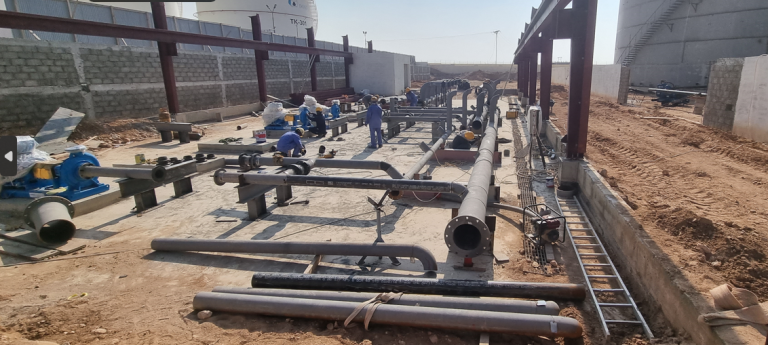
- Tank construction — full-package tank construction and structural steel works, including a sub-contracted package at SFC Mogadishu
- LPG terminal works — technical support to LPG civil and mechanical construction at an East Africa terminal, and technical assistance during LPG terminal construction in Berbera, Somaliland
- Pipeline installation and repair — including works at Bosaso, Puntland
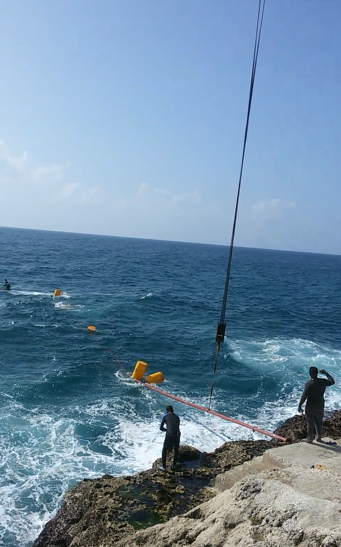
- Offshore marine installation and maintenance — works at coastal sites across the region
- Ongoing terminal maintenance — multiple client sites, sustaining infrastructure well after initial handover
If you’re evaluating contractors for an upcoming terminal, tank, pipeline, or marine works project in Kenya, Somalia, or elsewhere in East Africa, get in touch with our team — we’re glad to walk through our project references and how we’d approach mobilisation and quality assurance for your specific site.